What is Hinokitiol?
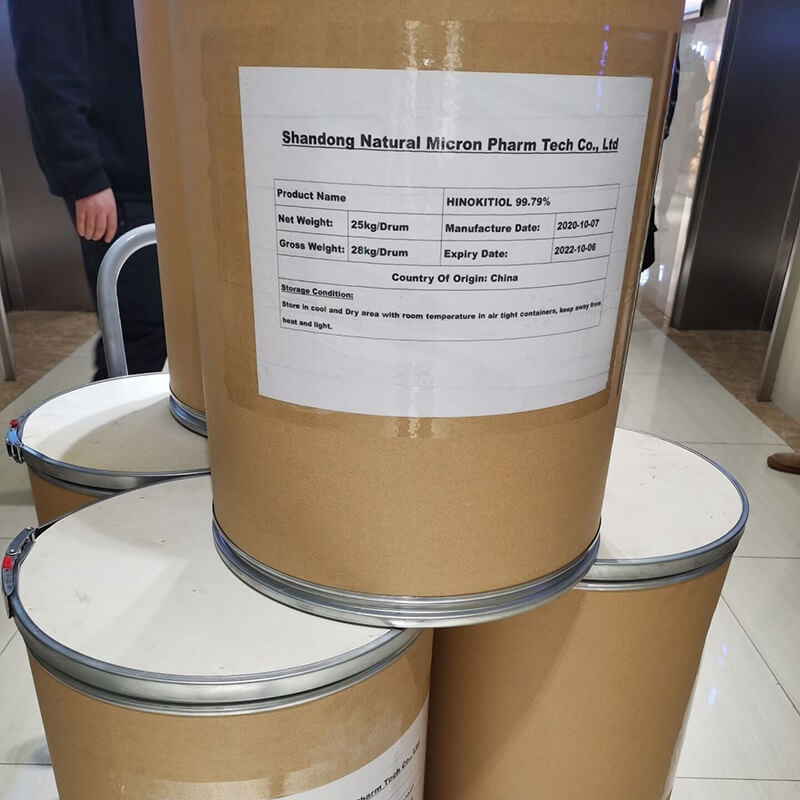
Hinokitiol, also known as β-thujaplicin (cas:499-44-5), is a natural organic compound.
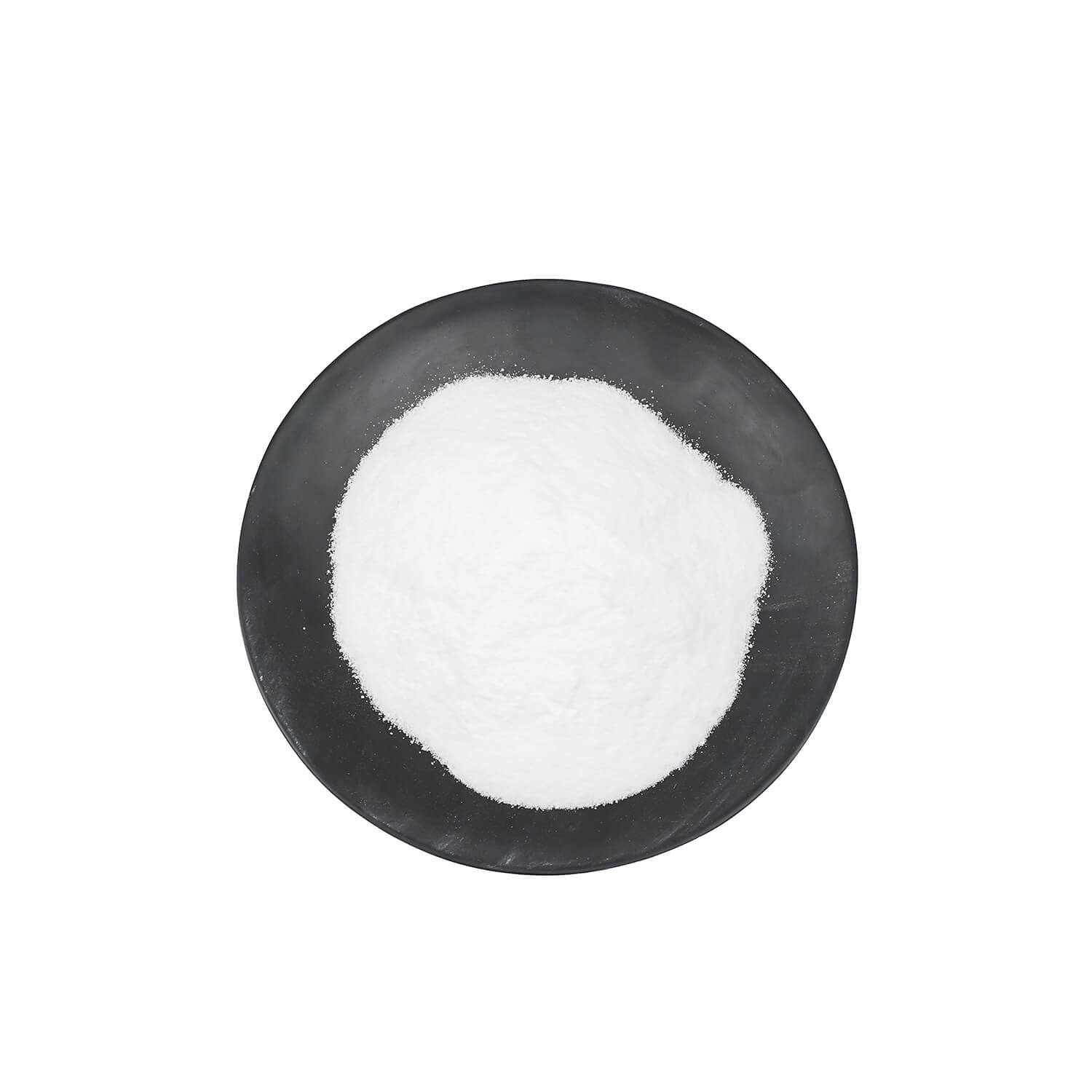
Hinokitiol is a colorless to pale yellow crystalline solid with a distinct pine-like odor. It is sparingly soluble in water but dissolves readily in organic solvents like ethanol and ether.
Hinokitiol is primarily found in the wood and leaves of trees from the Cupressaceae family, such as the Japanese cypress (Chamaecyparis obtusa) and the western red cedar (Thuja plicata).
One of hinokitiol’s most notable features is its strong antimicrobial activity. its ability to inhibit the growth of various bacteria, fungi, and other microorganisms. it also exhibits antioxidant properties, so it can neutralize harmful free radicals in the body.
Hinokitiol Biological/Chemical Reaction
Hinokitiol has various chemical and biological reactions. The following is the specific content of β-thujaplicin
1. Antimicrobial Activity:
Hinokitiol exhibits strong antimicrobial activity against various microorganisms, including bacteria and fungi. It disrupts the cell membranes of these microorganisms, leading to cell death.
2. Antioxidant Activity:
Hinokitiol acts as an antioxidant by scavenging free radicals and reactive oxygen species (ROS).
3. Metal Chelation:
Hinokitiol has the ability to chelate with metal ions, forming stable complexes.
4. Anti-Inflammatory Effects:
Hinokitiol has been shown to possess anti-inflammatory effects by inhibiting the expression of pro-inflammatory cytokines and enzymes.
5. Enzyme Inhibition:
Hinokitiol can inhibit the activity of certain enzymes, including those involved in inflammatory pathways.
6. Chemical Modifications:
Hinokitiol can undergo various chemical modifications, including esterification and oxidation reactions.
7. Complex Formation:
Hinokitiol can form complexes with other molecules, influencing their chemical and biological behaviors.
8. Reaction with Reactive Oxygen Species (ROS):
Hinokitiol can react with ROS and free radicals, converting them into less harmful compounds.
Uses of Hinokitiol
β-thujaplicin has a wide range of applications across different industries due to its various properties. Some of the prominent uses of β-thujaplicin include:
1. Antimicrobial Agent:
Hinokitiol can be used in personal care products, cosmetics, and pharmaceuticals as a natural alternative to synthetic preservatives.
2. Skin Care and Cosmetics:
Hinokitiol is used in skin care products due to the antibacterial and antioxidant properties of Hinokitiol. Included in creams, lotions, serums and other skin care formulations.
3. Wood Preservation:
Hinokitiol is effective in protecting wood from decay and fungal infestation. It is used in wood preservation treatments for furniture, buildings, and outdoor structures.
4. Anti-Inflammatory Agent:
Hinokitiol’s useful in products designed to alleviate skin irritation, redness, and discomfort.
5. Food and Beverage Preservation:
Hinokitiol can be used as a natural preservative in food and beverages to extend shelf life by inhibiting the growth of microorganisms.
6. Hair Care Products:
Hinokitiol an ingredient in shampoos and hair conditioners, promoting scalp health and preventing dandruff.
7. Medical Applications:
Hinokitiol has potential applications in medical fields such as wound healing and as an ingredient in topical formulations for skin infections.
8. Agricultural and Horticultural Uses:
Hinokitiol can be used in agricultural applications to protect crops from fungal diseases and enhance plant growth.
9. Personal Hygiene Products:
Hinokitiol’s can be utilized in products like hand sanitizers, mouthwashes, and other personal hygiene items.
10. Environmental Applications:
Hinokitiol’s metal chelation properties can be used in environmental remediation to remove heavy metals from water and soil.
11. Fragrance and Perfume Industry:
Hinokitiol’s pleasant odor makes it suitable for use in perfumes, fragrances, and scented products.
12. Insect Repellent:
Hinokitiol has been explored as a natural insect repellent.
Hinokitiol Preparation Method
The preparation of β-thujaplicin involves extraction and isolation from these natural sources. Here’s a general overview of the preparation method:
1. Extraction:
The first step involves the extraction of hinokitiol from plant material. This can be achieved using different methods such as steam distillation, solvent extraction, or supercritical fluid extraction.
2. Isolation and Purification:
After extraction, the obtained oil or extract is usually a mixture of various compounds, including hinokitiol. Isolation and purification are necessary to obtain pure hinokitiol.
3. Characterization:
The isolated hinokitiol is then characterized using various analytical techniques, such as spectroscopy (NMR, IR, UV-Vis), chromatography (HPLC, GC), and mass spectrometry, to confirm its identity and purity.
It’s worth noting that hinokitiol can also be synthesized chemically, though natural extraction is a common method due to its presence in plant sources. certainly. If you need a lot of hinokitiol, please contact us to buy. Natural Micron provides you with free test samples and technical support.
Hinokitiol Safety and Risk
β-thujaplicin is considered to be a safe compound when used in appropriate concentrations and under normal conditions. However, you should still pay attention to safety and avoid risks when using
Safety:
- Skin Sensitivity: Hinokitiol is generally well-tolerated by the skin. It is often used in skincare products。
- Eye Irritation: Direct contact with the eyes should be avoided. If contact occurs, rinse the eyes thoroughly with water and seek medical attention if irritation persists.
- Allergic Reactions: While allergic reactions to hinokitiol are rare, they can still occur in sensitive individuals.
- Oral Consumption: Hinokitiol is used in oral care products like toothpaste and mouthwash. However, ingestion of large quantities should be avoided, as it may cause gastrointestinal discomfort.
Risk:
- Excessive Use: Using products containing very high concentrations of hinokitiol may increase the risk of skin irritation or other adverse reactions.
- Photosensitivity: Excessive exposure to sunlight while using products containing hinokitiol may cause skin reactions. If using hinokitiol-containing products, it’s a good practice to apply sunscreen during the day.
Hinokitiol Research and Future Development
Many uses of β-thujaplicin are still being developed. In the future, β-thujaplicin may be used in the following aspects.
1. Antimicrobial Properties:
Hinokitiol has strong antibacterial properties, such as bacteria, fungi, etc. In the future, it can be used as a raw material for products such as household disinfectants.
2. Skin Health and Cosmetics:
Hinokitiol’s ability to protect skin cells from oxidative stress and inflammation could contribute to its incorporation in formulations targeting skin aging, blemishes, and other skin conditions.
3. Oral Care:
In the future, hinokitiol concentrations and formulations could be optimized to enhance oral health benefits such as reducing bacterial growth and preventing gum disease.
4. Medical and Therapeutic Applications:
Research is ongoing to explore hinokitiol’s potential therapeutic applications, including its use in wound healing, inflammation reduction, and as an adjuvant in cancer therapies.
5. Nanotechnology and Drug Delivery:
Hinokitiol’s ability to interact with various molecules makes it an interesting component in nanotechnology and drug delivery systems.

Reviews
There are no reviews yet.